Taxi Navigation's Passenger Matching Algorithm
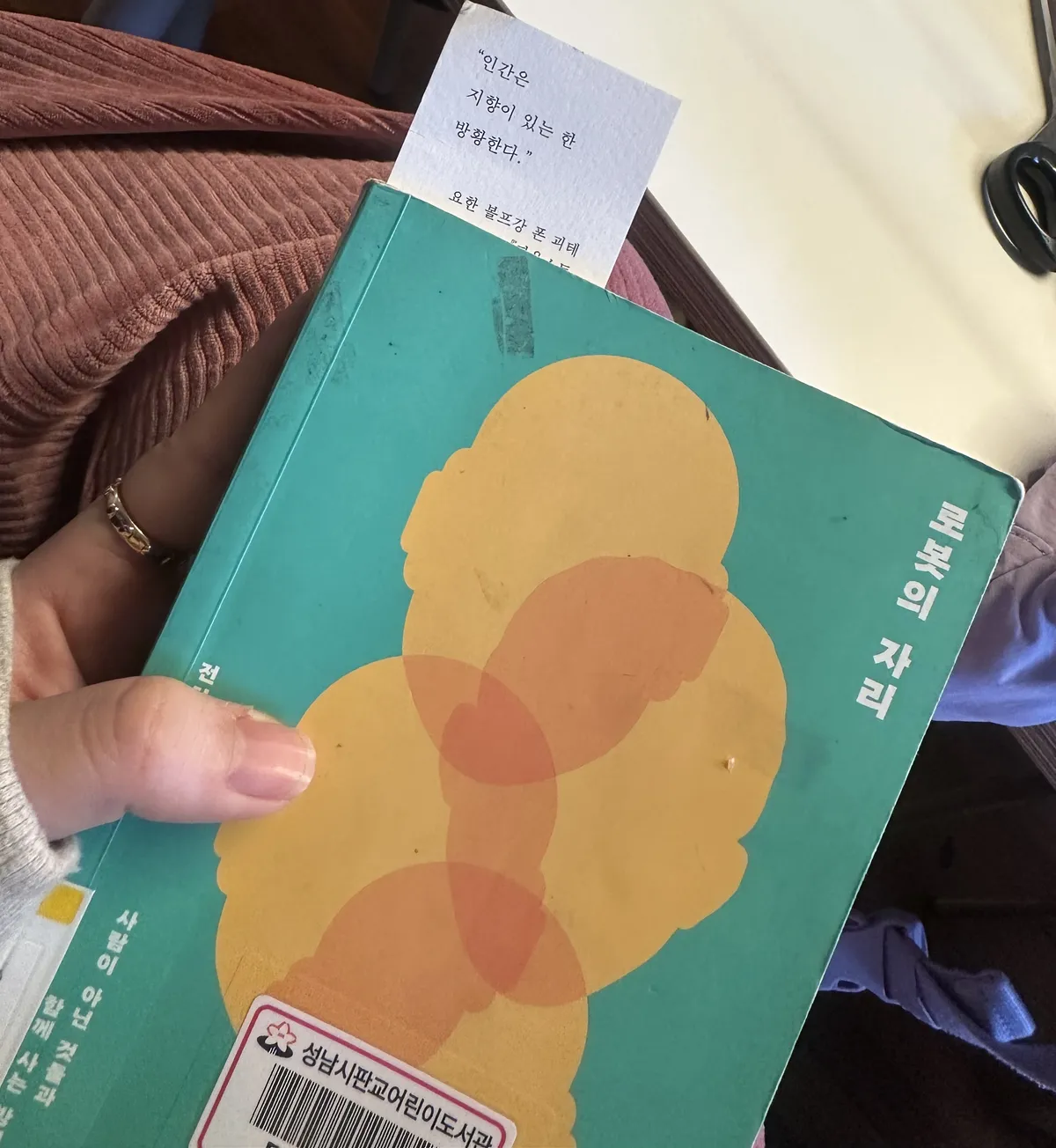
> We need to redesign the algorithms driving the delivery system by incorporating the people who eat, sleep, and work within them. This is the most urgent algorithmic ethics issue today. This isn't an abstract ethical debate; it's about the real harm of a system that could actually kill people. It's about redesigning the system itself, not relying on temporary measures by delivery companies or the goodwill of those placing orders. Redesigning the algorithm is akin to redesigning society. [The Robot's Place (Jeon Chi-hyeong), p. 152]
Yesterday, I had an appointment in Gangnam and took a taxi from Pangyo. The driver, who had been quietly listening to our conversation, seemed to realize we worked with Kakao. Just before we got out, he poured out his frustrations about the Kakao Navigation system used by Kakao Blue drivers. He said it instructs drivers to make left turns to pick up passengers from positions where changing lanes is absolutely impossible. He said it was extremely dangerous guidance that could kill people. Heading to meet people who create helpful technology, hearing about something happening within our own service left me feeling troubled.
Despite that, talking with the lab directors during the field visit was still refreshing and enjoyable. On my way home, I hailed another KakaoTaxi, which showed an estimated 10-minute wait. I suspected the match happened just as the driver was passing through a no-U-turn zone. I thought I'd calmly wait inside the building while catching up on work, but suddenly the time dropped to 5 minutes and the driver arrived quickly. Once in the taxi, he said, "Ah, I was driving straight when I got the passenger. I made an illegal U-turn on the bus lane to get here faster." I replied, "Oh, it's fine, you could have taken your time. Thank you," but having heard another driver's story earlier, I understood why this driver drove like that. How many other passengers must have cursed at him for being late or bombarded him with bad ratings?
And the system likely just accepted that, suspending the driver's work for 24 hours, or even longer.
So this is indeed 'not an abstract ethical debate, but the real harm of a system that could literally kill people.' We shouldn't rely on passengers' goodwill; we need to restructure society and redesign the algorithms.
What can I do?